Dealing with aggression can feel challenging for many dog owners, but dog classes for aggressive dogs provide a structured way to address these behaviours safely. With professional guidance and proven training methods, dogs learn to manage triggers, build confidence and develop calmer reactions in everyday situations.
Understanding aggression in dogs
Aggression in dogs can stem from multiple factors, and identifying the right approach requires a clear understanding of dog aggression and the various forms of aggressive behaviour.
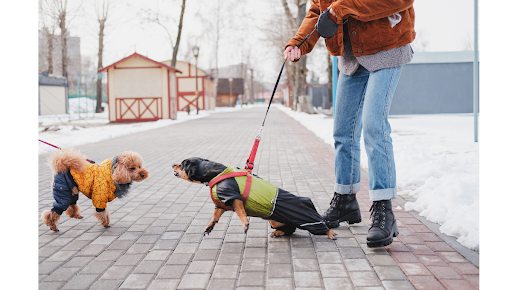
Some dogs react due to fear, while others develop territorial instincts or frustration. Dog owners often notice early signs of aggression such as growling, barking at other dogs or displaying rigid posture. These observations help trainers evaluate the type of aggression, from territorial aggression to defensive aggression, and determine the best approach for each situation. Recognizing dogs behavior patterns early makes it easier to apply the proper training solutions and avoid escalation.
Why do aggressive dogs need professional training?
Working with a professional dog trainer is essential when aggression issues begin to interfere with daily life. A structured training program allows specialists to assess triggers, manage risk and develop a safe plan to help dogs with aggression issues. For many dogs and people, professional support reassures them that the process is guided by experts who understand complex dogs behaviour concerns.
Services such as a Dog Behaviourist Consultation can support families dealing with aggression cases by identifying what drives the aggressive response and proposing humane tools to help dogs feel safer.
Dog classes for aggressive dogs: what to expect
Enrolling in dog classes for aggressive dogs introduces a controlled and supportive setting where every dog can progress at an appropriate pace. These programs emphasize training sessions that address reactivity, fear and patterns related to dog’s aggression, always in a controlled environment designed to reduce overwhelm. Trainers rely on behaviour modification principles to build long-term progress.
Assessment and individualized training plan
Before beginning group or private exercises, each dog undergoes a behaviour assessment. This step helps specialists develop a plan that aligns with the animal’s history, triggers and emotional needs. The goal is to establish a roadmap combining obedience training, management strategies and tailored training sessions.
Safe, controlled training sessions
Trainers guide exercises that take place in secure areas where the dog can gradually adapt to being around other dogs. The focus remains on safety management, desensitization and avoiding situations that could provoke an aggressive reaction. Sessions introduce calming techniques that help dogs maintain calm behavior despite stressors.
Positive reinforcement and reactivity reduction
Through positive reinforcement, counterconditioning and support from behaviour consultants, dogs learn to replace unwanted patterns with healthier responses. These exercises target reactivity or aggression and help dogs who behave aggressively gain confidence. You may also explore Private Dog Training options for dogs who require extra privacy when training your dog.
Effective training methods for dogs with aggression
Modern training methods emphasize humane practices and evidence-based tools. A behaviour modification plan may include controlled exposure to triggers, teaching impulse control and using training games to reinforce desired actions. This structured approach supports aggression rehabilitation and gives every dog the chance to progress safely.
When dog owners should seek professional help
Dog owners should seek professional help when aggression becomes unpredictable or persistent. Aggression problems that escalate toward people or another dog require immediate intervention from specialists experienced in addressing aggression and working with aggression. Thanks to comprehensive support, families can access valuable resources such as proper guidance, boarding options like the Pet Boarding Hotel, or complementary dog training programs designed to help dogs develop healthier habits.
Can aggressive dogs improve with training?
With structured guidance, even a reactive dog can make meaningful progress. Aggressive dog training relies on patience, consistency and targeted exercises that reshape the dog’s behaviour and reduce triggers. Over time, dogs may show fewer aggressive tendencies and develop healthier coping skills.
At the Centre Canin Des Ruisseaux, experienced trainers support dogs through personalized programs focused on safe behaviour modification, reactivity reduction and long-term confidence building.
Their approach combines clear communication, controlled exposure and tailored exercises designed to help dogs feel more secure in challenging situations. With the right plan and a team dedicated to helping dogs overcome aggression, meaningful and lasting improvements become achievable.